

What’s Coming Next in IT? The Biggest Technologies to Watch in 2026
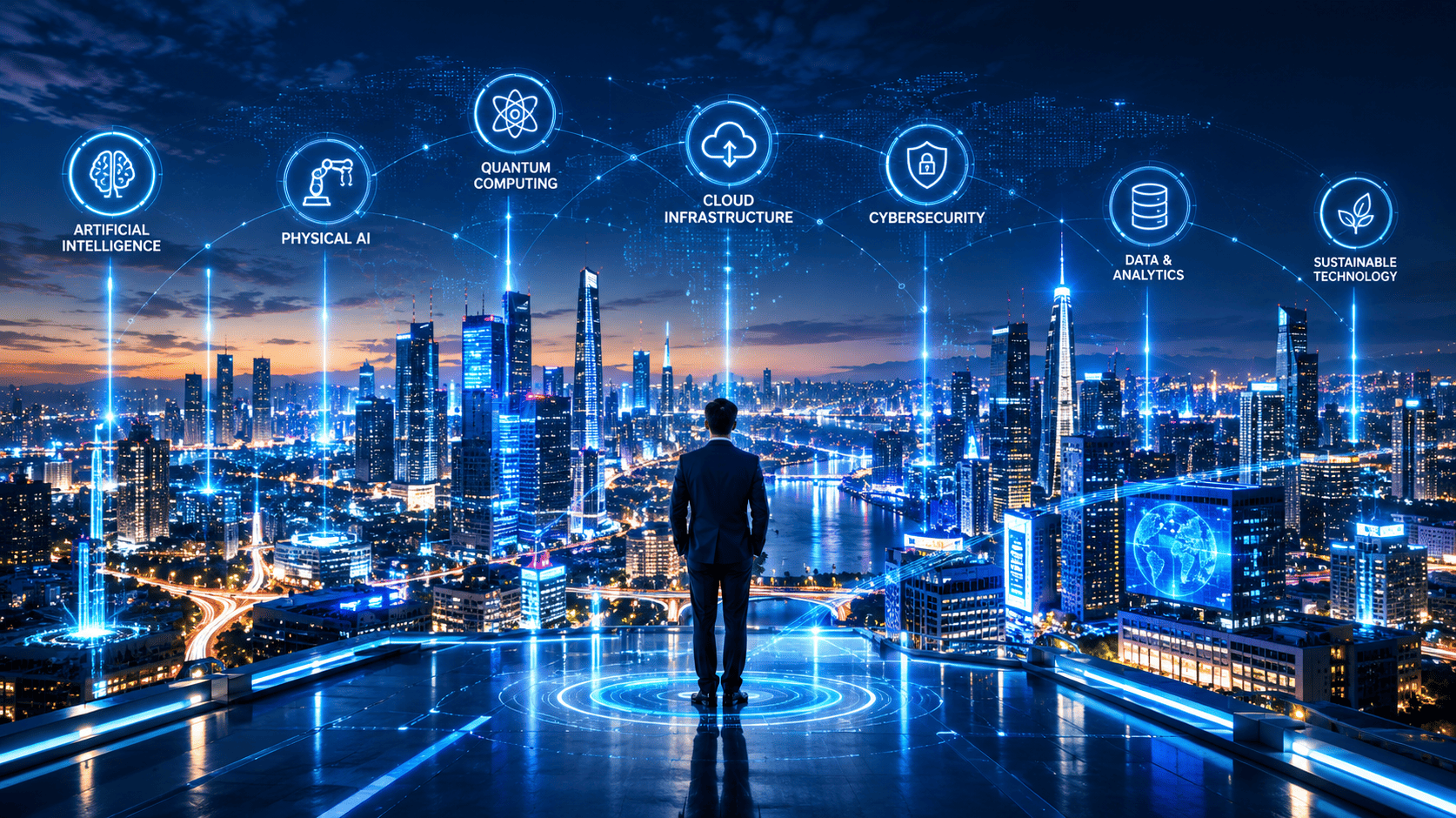
The IT industry is entering another period of rapid transformation. In 2026, IT innovation is expanding beyond traditional software and cloud services into advanced computing, AI infrastructure, robotics, cybersecurity, digital trust, and emerging computing technologies. Recent 2026 technology outlooks from McKinsey, Gartner, and the World Economic Forum highlight these developments as important areas to watch as they continue developing toward broader business applications.
For businesses, the important question is no longer simply what technology is new? It is which technologies could shape IT over the next few years. Here are some of the developments worth watching.
1. AI Infrastructure and Advanced Computing
The growth of AI is creating demand for much more powerful computing infrastructure. Businesses increasingly need specialized processors, high-performance systems, networking and data-center capacity to support demanding AI workloads.
McKinsey's 2026 technology outlook highlights AI infrastructure and model architectures as a major technology area, alongside growing investment in the hardware and systems required to run AI at scale. This means the future of IT will not only be about AI applications. The chips, computing platforms and infrastructure behind those applications will become increasingly important.
2. AI-Native Software Development
Software development is also changing rapidly. AI-native development platforms are increasingly being used to assist developers with coding, testing and other development tasks.
Gartner lists AI-native development platforms among its top strategic technology trends for 2026, reflecting a shift toward development environments where AI becomes part of the software engineering process. Over time, development teams may increasingly combine traditional engineering expertise with AI-assisted tools to build and maintain applications.
3. Physical AI and Intelligent Machines
One notable development is the movement of AI from digital environments into the physical world.
Physical AI includes technologies such as intelligent robots, drones, autonomous systems and smart equipment. Gartner identifies physical AI as a major 2026 trend, while McKinsey reports growing momentum around intelligent robots and other systems that combine software intelligence with physical capabilities. This could affect manufacturing, logistics, healthcare, transportation and other industries where machines need to sense their surroundings and respond intelligently.
4. Quantum Computing
Quantum computing remains an emerging area to watch. Unlike traditional computers, quantum systems use different computing principles that could eventually provide advantages for certain highly complex problems.
While widespread business adoption is still developing, quantum technology remains an important part of the longer-term computing landscape. The World Economic Forum's 2026 emerging-technology report highlights quantum-related developments as part of the emerging technology landscape moving closer to real-world impact. Businesses should therefore continue monitoring developments rather than assuming quantum computing is only a distant research topic.
5. Confidential Computing and Data Protection
As organizations process increasingly sensitive information in cloud and distributed environments, protecting data while it is being used is becoming more important.
Confidential computing uses hardware-based security mechanisms to protect sensitive workloads during processing. Gartner includes confidential computing among its key strategic technology trends for 2026. For industries handling financial, customer, healthcare or proprietary information, this technology could become increasingly relevant.
6. Digital Provenance and Trust
The growth of AI-generated content, third-party software and complex digital supply chains creates another challenge: How can organizations verify where digital content, data or software came from? Digital provenance focuses on establishing the origin and integrity of digital assets. Gartner identifies it as a significant 2026 trend, particularly as organizations increasingly depend on third-party components and AI-generated material.
What Businesses Should Watch Next
The next phase of IT is increasingly being shaped by the combination of multiple technologies, rather than one technology operating independently. The World Economic Forum's 2026 technology-convergence research highlights combinations involving AI, robotics, quantum technologies, advanced computing, spatial intelligence and next-generation energy.
For businesses, staying informed will be essential. Organizations should monitor technology developments, evaluate which innovations are relevant to their industry, and consider security, cost, skills and infrastructure before adopting new systems.
Key Takeaways
- AI infrastructure and advanced computing are becoming increasingly important to modern IT.
- AI-native development is changing how software is built and maintained.
- Physical AI and intelligent machines are expanding AI into real-world applications.
- Quantum computing remains an emerging technology to monitor.
- Confidential computing and digital provenance are gaining importance as organizations focus on data protection and digital trust.
- Proactive cybersecurity will remain a major priority as digital threats evolve.
Conclusion
The IT landscape in 2026 is evolving rapidly, driven by advances in AI infrastructure, advanced computing, robotics, cybersecurity, and emerging digital technologies. AI-native software, physical AI, quantum computing, confidential computing, digital provenance, and proactive cybersecurity are creating new opportunities while introducing new considerations for businesses. As these technologies increasingly converge, organizations that monitor developments, assess their relevance, and prepare strategically will be better positioned to adapt to the evolving digital landscape.